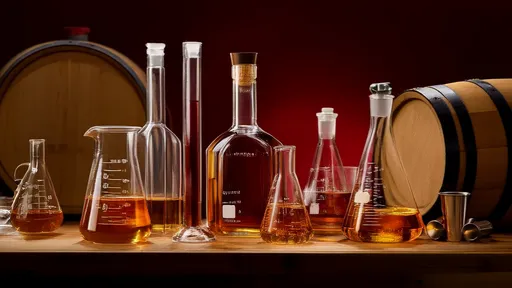
The alchemy of wine aging in oak barrels remains one of the most fascinating and complex processes in oenology. While the romantic imagery of dusty cellars and silent, slumbering barrels is appealing, the true magic lies in the intricate dance of chemistry occurring at the wood-wine interface. This dynamic exchange, far from being a simple passive infusion, is a sophisticated kinetic process where compounds like tannins, lignin, and vanillin are methodically liberated from the oak and integrated into the wine, fundamentally shaping its final character, structure, and aroma.
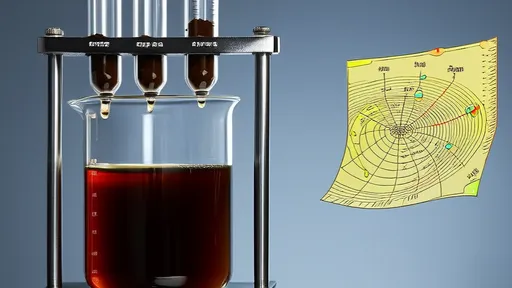
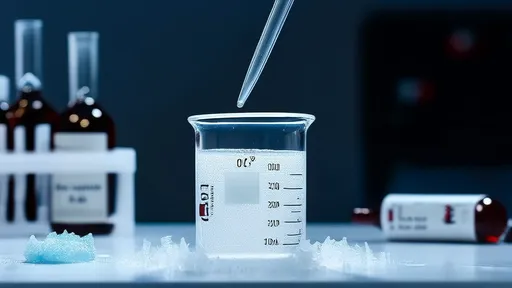
The journey begins the moment new wine is introduced to a barrel. The interior of an oak stave is a intricate matrix of cellulose, hemicellulose, and lignin, with a rich reservoir of extractable compounds embedded within. The key driver for the release of these compounds is the ethanol-water solution that is wine. Ethanol acts as a potent solvent, but the process is not instantaneous. It is governed by the principles of diffusion, where molecules move from an area of higher concentration (inside the oak) to an area of lower concentration (the wine) until equilibrium is approached. The rate of this diffusion is the core of dissolution kinetics.
Tannin extraction is arguably the most critical kinetic process for a wine's structure. Oak tannins, or ellagitannins, are hydrolyzable tannins derived from the woody tissue. Their release follows a generally biphasic kinetic model. An initial, rapid extraction phase occurs over the first few months of aging. During this period, tannins located on the immediate surface of the wood dissolve readily into the wine. This phase is highly dependent on factors like toast level—a heavier toast can degrade some tannins, making them more readily available but also potentially introducing more aggressive, bitter compounds if not managed carefully.
Following this initial burst, the kinetics slow considerably, entering a sustained, slower release phase that can last for years. This secondary phase involves tannins from deeper within the stave that must diffuse through the wood's microstructure to reach the wine. The kinetics here are influenced by the porosity and grain of the oak (with fine-grained oak offering a slower, more controlled release), the thickness of the staves, and the environmental conditions of the cellar, particularly temperature. Warmer cellars can accelerate molecular movement and increase diffusion rates.
Concurrently, the breakdown of lignin, the complex polymer that gives wood its rigidity, is a slower, more transformative kinetic process. Lignin does not simply dissolve; it undergoes gradual degradation, primarily through hydrolysis and oxidation reactions facilitated by the acidic and alcoholic environment of the wine. The kinetics of lignin breakdown are measured not in months, but often over the entire lifespan of a barrel. This is a steady, relentless process where the breakdown products are the highly sought-after phenolic aldehydes, most notably vanillin.
The liberation of vanillin is directly tied to the kinetics of lignin degradation. Its formation and release are not linear. While some vanillin is present in untoasted oak, the toasting process during cooperage is a catalytic event that dramatically accelerates the breakdown of lignin, creating a surge of available vanillin precursors on the charred surface layer. Therefore, the kinetic curve for vanillin is often characterized by a significant early peak shortly after barreling, as this surface reservoir is depleted. Afterwards, a much slower, long-term release follows from the deeper, untoasted layers of wood where lignin breakdown continues at a glacial pace. The concentration in the wine thus reflects a balance between this slow release and potential further transformation or volatilization of the compound.
It is crucial to understand that these kinetic processes do not occur in isolation. They are deeply intertwined and competitive. The same ethanol that solvates tannins also facilitates the extraction of vanillin precursors. However, the presence of high levels of certain compounds can influence the extraction kinetics of others. For instance, a wine with high initial acidity may slightly accelerate the hydrolysis of lignin, potentially modifying the vanillin release curve. Furthermore, the wine itself is not a static medium; it is a living, evolving system. Compounds extracted early on can interact with each other and with the wine's native components, forming new complexes that can change the wine's sensory profile and even affect the subsequent rate of further extraction.
The master winemaker's role is to act as a conductor of this symphony of kinetics. The choice of oak origin (e.g., French vs. American), with its inherent chemical differences, sets the initial tempo. The level of toasting applied by the cooper is like a decisive crescendo, dramatically altering the availability of compounds on the wood's surface. Perhaps the most powerful tool for kinetic control is time. Determining the optimal duration of barrel aging is essentially about finding the point where the beneficial extraction of compounds like vanillin and well-integrated tannins is maximized, before the kinetics of undesirable processes—such as the extraction of harsh, woody tannins or excessive oxygen ingress—begin to dominate and detract from the wine's quality.
In conclusion, the aging of wine in oak is a masterpiece of chemical kinetics. The dissolution of tannins, the degradation of lignin, and the subsequent release of aromatic compounds like vanillin are dynamic processes each operating on their own unique timeline, yet inextricably linked. Understanding these kinetic principles moves the art of cooperage and aging from a tradition of mystery to a science of precision. It allows for the intentional crafting of a wine's texture, complexity, and bouquet, ensuring that the silent conversation between wood and wine results in a harmonious and extraordinary final composition.
By /Aug 29, 2025
By /Aug 29, 2025

By /Aug 29, 2025
By /Aug 29, 2025
By /Aug 29, 2025
By /Aug 29, 2025
By /Aug 29, 2025
By /Aug 29, 2025

By /Aug 29, 2025
By /Aug 29, 2025
By /Aug 29, 2025
By /Aug 29, 2025
By /Aug 29, 2025
By /Aug 29, 2025
By /Aug 29, 2025
By /Aug 29, 2025
By /Aug 29, 2025
By /Aug 29, 2025
By /Aug 29, 2025
By /Aug 29, 2025