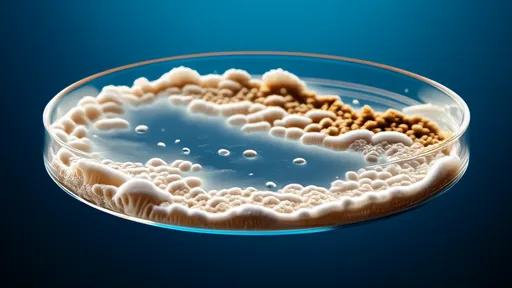
In the realm of fermented foods and beverages, one of the most fascinating biological partnerships exists within the gelatinous, pancake-like disc known as the SCOBY, an acronym for Symbiotic Culture Of Bacteria and Yeast. This living ecosystem, central to the production of kombucha, is not a singular organism but a complex metropolis of microorganisms. Its very existence and function are predicated on a delicate, dynamic, and powerful symbiotic balance between yeasts and acetic acid bacteria. Understanding this relationship is to understand the very heart of the fermentation process it drives.
The journey begins with the yeasts, the primary initiators of the fermentation process. This diverse group of fungi, often including strains of Saccharomyces, Brettanomyces, Zygosaccharomyces, and others, are the biochemical powerhouses. They are equipped with the enzymatic tools to break down sucrose, the sugar added to the sweet tea base, into its simpler components: glucose and fructose. In the anaerobic (oxygen-limited) depths of the fermentation vessel, these yeasts then perform alcoholic fermentation, metabolizing these simple sugars to produce two primary byproducts: ethanol and carbon dioxide. The CO2 imparts the characteristic effervescence to the final brew, while the ethanol sets the stage for the next act in this microbial play.
This is where the acetic acid bacteria (AAB), predominantly from the genera Komagataeibacter (formerly Gluconacetobacter), Acetobacter, and Gluconobacter, take center stage. Unlike their fungal partners, these bacteria thrive in an aerobic environment, which is why the SCOBY film forms at the liquid-air interface. Their specialty lies in a process called oxidation. They consume the ethanol produced by the yeasts, combining it with oxygen from the air. Through this metabolic process, they transform the alcohol into acetic acid, the compound responsible for kombucha's signature tangy, vinegar-like sharpness. But their work doesn't stop there; some strains further oxidize this acetic acid into water and carbon dioxide, while others can produce other organic acids like gluconic and glucuronic acid, contributing to the complexity of the flavor profile and purported health benefits.
The physical structure of the SCOBY itself is a testament to this symbiosis and a critical component of the balance. The cellulose-based biofilm is almost exclusively a product of the acetic acid bacteria, particularly Komagataeibacter xylinus. These bacteria synthesize and secrete nanocellulose fibrils, which weave together into a robust, floating mat. This mat is not merely a byproduct; it is a strategic infrastructure. It positions the aerobic bacteria right at the oxygen-rich surface for optimal activity, while simultaneously creating a protected, oxygen-depleted environment below for the yeasts to continue their anaerobic fermentation. The SCOBY is both a home and a life support system, engineered by its inhabitants for their mutual success.
Maintaining the equilibrium between these two microbial groups is paramount. The relationship is a perfect feedback loop: the yeasts produce the food (ethanol) for the bacteria, and the bacteria, by consuming this ethanol, prevent the alcohol level from rising to a point that would become toxic to the yeasts themselves. Furthermore, the bacteria's production of acids lowers the pH of the environment, creating a selectively acidic habitat that discouraging invasion by contaminating molds and pathogenic bacteria, thus protecting the entire community. This self-regulating system is the key to a stable and successful fermentation.
However, this balance is not impervious to disruption. Several environmental factors can tilt the scales. Temperature is a major influencer; too cold, and the entire microbial metabolism slows to a crawl, potentially allowing contaminants to gain a foothold. Too warm, and the bacterial activity can surge ahead, producing an excessively sour and vinegary brew too quickly, while also potentially stressing the yeast populations. The availability of oxygen must be carefully managed; while the bacteria need it, too much exposure can lead to over-acidification and can also encourage the growth of aerobic contaminants. The initial sugar concentration is also crucial, as it is the foundational fuel for the entire process. An imbalance here can starve the community or lead to stalled fermentation.
The outcome of this symbiotic dance is directly reflected in the sensory profile of the kombucha. A well-balanced SCOBY produces a beverage that is a harmonious blend of sweet, sour, and effervescent. The subtle fruitiness and esters from the yeasts are perfectly countered by the sharp, clean acidity from the bacteria. When the balance is skewed towards the yeasts, the drink may become overly alcoholic, sweet, and potentially fizzy to the point of being gushing. A dominance of bacteria, on the other hand, results in a kombucha that is intensely sour, thin, and vinegar-like, with little sweetness or carbonation left. The art of kombucha brewing is, in essence, the art of nurturing this invisible balance.
Beyond flavor, the synergistic actions of this consortium are believed to be the source of kombucha's many touted health benefits. The combined fermentation process results in a beverage rich in organic acids, vitamins, enzymes, and probiotics. The probiotics—live beneficial bacteria from the SCOBY—are thought to support gut health. The antioxidants and acids like glucuronic acid are associated with detoxification support. It is the collaborative effort of the yeast and bacteria that makes these compounds bioavailable, suggesting that the whole is indeed greater than the sum of its parts.
In conclusion, the SCOBY is a magnificent example of mutualism in the microbial world. It is a carefully orchestrated partnership where two distinct kingdoms of life, fungi and bacteria, coexist and cooperate to their mutual advantage. The yeasts and acetic acid bacteria are locked in a biochemical dance, each dependent on the other's metabolic outputs for survival. They collaboratively construct their own habitat and defend it, transforming simple sweet tea into a complex, tangy, and lively elixir. This symbiotic balance is not just a scientific curiosity; it is the very soul of kombucha, a delicate equilibrium that brewers strive to understand and maintain with every batch they craft.
By /Aug 29, 2025
By /Aug 29, 2025

By /Aug 29, 2025
By /Aug 29, 2025
By /Aug 29, 2025
By /Aug 29, 2025

By /Aug 29, 2025

By /Aug 29, 2025
By /Aug 29, 2025
By /Aug 29, 2025
By /Aug 29, 2025
By /Aug 29, 2025

By /Aug 29, 2025
By /Aug 29, 2025
By /Aug 29, 2025
By /Aug 29, 2025
By /Aug 29, 2025

By /Aug 29, 2025
By /Aug 29, 2025
By /Aug 29, 2025